
Salvage value refers to the estimated residual value of an asset at the end of its useful life. It represents the amount that the asset is expected to be worth when it is no longer useful or productive to the business. This value is determined by various factors such as the condition of the asset, market demand, and technological advancements. The salvage value is important for accounting purposes as it allows for the calculation of depreciation expense. Salvage value is subtracted from an asset’s purchase cost to determine the total amount that can be depreciated over its useful life.

Strengths and weaknesses of NPV
In Excel, you can calculate depreciation using the DDB function, which is equivalent to the Declining Balance Method. This function is DDB(cost,salvage,life,period,factor), where “factor” defaults to 2 for the double declining balance method. Calculating salvage value is a crucial step in determining Sales Forecasting an asset’s worth at the end of its useful life.

Role in financial statements
- The depreciable amount is like the total loss of value after all the loss has been recorded.
- Unlike machinery, real estate salvage value depends heavily on location and market trends.
- It’s calculated by subtracting the accumulated depreciation from the purchase price.
- Companies take into consideration the matching principle when making assumptions for asset depreciation and salvage value.
- The formula is used to calculate the salvage value of an asset, which is the amount it can be sold for after it has been fully depreciated.
By understanding salvage value and properly calculating salvage value, businesses can make better decisions when purchasing, using, and eventually disposing of their assets. The salvage value of a machine can also be calculated using the straight line method, where the annual depreciation is calculated by dividing the total depreciable cost by the useful life. To calculate straight line depreciation, you need to know the cost of the asset, its salvage value, and its useful life. For example, if a company purchases a machine for $100,000 with an estimated salvage value of $20,000 and a useful life of 5 years, the annual depreciation amount would be $16,000. To calculate salvage value, you’ll need to know the purchase price, useful life, and depreciation method used. The salvage value equation is a crucial tool for businesses to estimate the residual value of an asset after its useful life.
Lead Value Calculators: ROI Boost

Calculating the after-tax salvage value is crucial for businesses to accurately assess the financial impact of selling their assets. On the balance sheet, salvage value contributes to an asset’s net book value, impacting a company’s financial position. A higher net book value may enhance the asset base, which can be favorable when seeking financing. However, salvage value must remain realistic and compliant with accounting standards to avoid overstating asset values.
Trial Balance
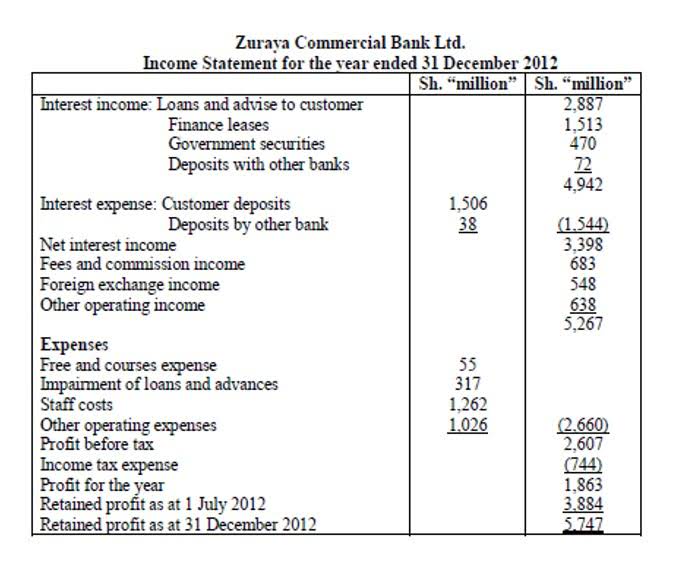
Net present value (NPV) is a technique used in capital budgeting to find out whether a project will add value or not. It involves finding future cash flows of an option and discounting them to find their present worth and comparing it to the initial outlay required. When calculating depreciation in your balance sheet, an asset’s salvage value is subtracted from its initial cost to determine total depreciation over the asset’s useful life. Depreciation represents a reduction in the asset’s value over time due to wear, tear, and obsolescence. Calculate accumulated depreciation up to the disposal date using your preferred method (straight-line, declining balance, etc.), online bookkeeping ensuring compliance with relevant accounting standards.